
Guides
Vietnam E-Visa Rejected? 8 Real Reasons and How to Fix
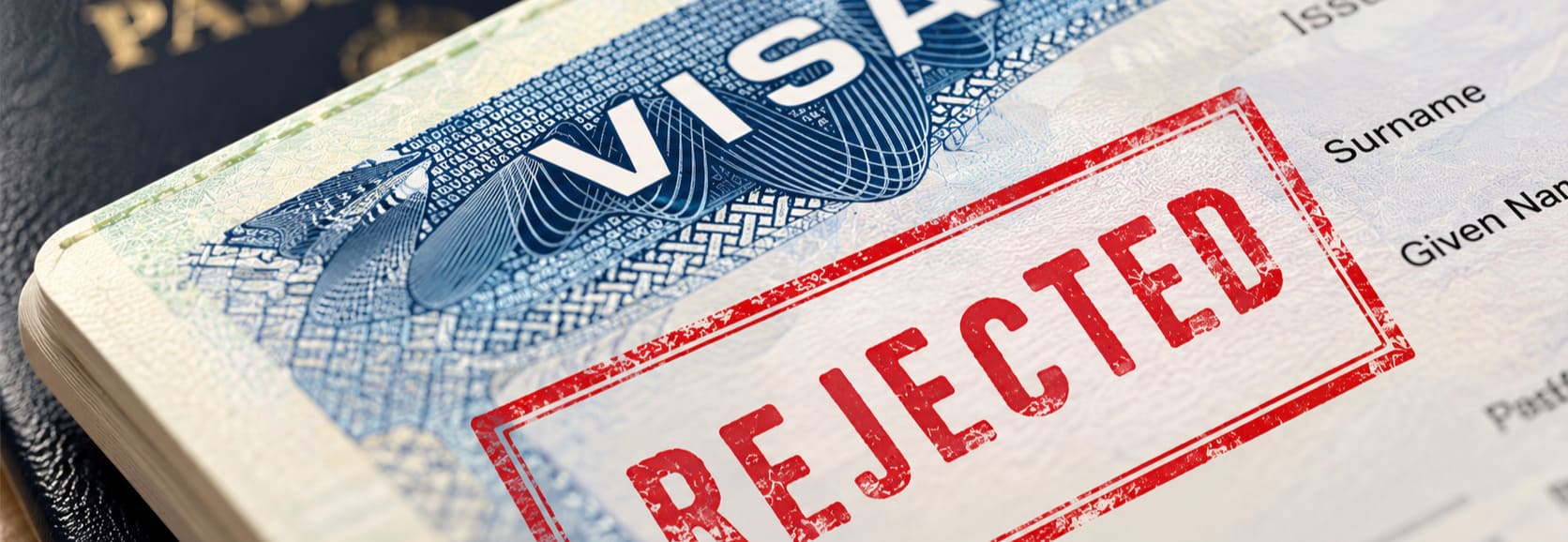
Most rejected Vietnam e-visas fail for small, fixable reasons: a photo that doesn’t meet the rules, a passport scan that is hard to read, or details that don’t exactly match the passport. The Immigration Department rarely explains why, and the government fee is not refunded.
Checking whether an application is “Rejected” or “Delayed”
The application status can be checked on the official portal, evisa.gov.vn, using the registration code, email address and date of birth. The result shown falls into one of three cases:
- “Processing” or no result yet: The application is delayed, not rejected. A second application should not be submitted, because a duplicate can itself lead to refusal. Refer Reasons Your Vietnam E-Visa Is Taking Too Long.
- “Rejected” or “Not approved”: Any note displayed should be read first and then compared with the eight reasons below.
- Approved, but with an error on the e-visa: This is not a rejection, but the error must be corrected before travel, as officers check the e-visa against the passport at the border. Our team can advise on the correction.
8 common rejection reasons and the correction for each
1. Portrait photo not meeting the requirements
The portrait photo is the most frequent cause of rejection. Officers refuse photos that are blurry, too dark or overexposed, cropped too tightly, taken against a patterned or shaded background, or that show glasses, a hat or a tilted head. Selfies taken at arm’s length often fail because of lens distortion and uneven light.
A compliant photo meets all of the following requirements:
- A plain white or light-coloured background, with no shadows or objects behind the head.
- Even, front-facing light, with no glare or dark patches on the face.
- The face looking straight at the camera, with eyes open and a neutral expression.
- No glasses, hats or sunglasses. Religious head coverings are accepted when the whole face, from chin to forehead, remains visible.
- The full head and the top of the shoulders in frame, with the face centred.
- A recent photo, taken within the last six months, that reflects the applicant’s current appearance.
- A sharp, unedited image. Screenshots, filtered photos and images cut from group pictures are not suitable.
Full requirements with examples are in Vietnam Visa Photo Guidelines.

Photo requirements for a Vietnam visa application
2. Passport scan that is unreadable or cropped
Officers verify identity using the machine-readable zone, the two lines of letters and numbers at the bottom of the passport photo page. If glare, blur, a shadow or a cut-off edge hides any part of those lines, the identity check cannot be completed and the application is likely to be refused.
A usable scan or photo of the passport page has these qualities:
- The passport is laid flat on a plain surface, with no fingers covering any part of the page.
- All four corners of the photo page are visible inside the image.
- Both lines of code at the bottom of the page are sharp and fully readable.
- There is no flash glare on the laminated surface. Daylight or indirect light gives the best result.
- The image is taken straight on, not at an angle, so the text is not distorted.
3. Personal details that differ from the passport
The details entered on the application must match the passport exactly. Common errors include a missing middle name, first and last names entered in reverse order, a mistyped passport number, and an incorrect date of birth, issue date or expiry date. A single wrong character is enough for a refusal.
Each field should be copied directly from the passport photo page, character by character. The following fields need particular attention:
- Full name: All given names, including middle names never used in daily life, in the same order as the passport.
- Passport number: Each character checked individually, especially those easily confused, such as 0 and O or 1 and I.
- Dates: Date of birth, issue date and expiry date, entered in the format the form requests.
- Nationality: The nationality shown on the passport used for travel, which is important for dual citizens.
From our desk: This is the error applicants miss most often, because the form looks correct at a glance. Reading the passport number aloud, one character at a time, catches most mistakes.
4. Passport valid for less than six months
Vietnam requires a passport valid for at least six months from the date of entry, not from the date of application. A passport that expires five months after arrival leads to refusal, even if it had more than six months left on the day the application was submitted.
The only solution is to renew the passport first and then apply with the new passport number. An e-visa is linked to the passport it was issued for, so an e-visa approved on an old passport cannot be used with a new one.
If your entry date is October 1, your passport must remain valid until at least April 1 of the following year. An expiration date in March will trigger an automatic refusal, even if the passport had plenty of validity when you submitted the application months earlier.
5. Wrong port of entry selected
Every e-visa names the airport, land border or seaport where the traveler will enter Vietnam. An application can be refused, or the traveler turned away at the border, if the selected gate is not on the official list of e-visa entry points or does not match the actual arrival.
The correct gate is the one shown on the flight ticket or travel plan, not the final destination city.
-
Vietnam currently has 83 e-visa entry points, listed in Vietnam eVisa Ports of Entry.
-
Travelers flying into Ho Chi Minh City from December 2026 should also check whether the flight lands at Tan Son Nhat (SGN) or Long Thanh (LTH).
If your flight ticket lands at Noi Bai Airport in Hanoi, but your e-visa lists Tan Son Nhat in Ho Chi Minh City, immigration officials will deny entry upon arrival.
6. Previous overstay or entry ban
An earlier overstay in Vietnam, even of one or two days, or any recorded immigration violation can lead to refusal. Applicants in this situation are often rejected repeatedly, because the underlying record does not change with each new application.
Submitting the same application again online will not resolve the problem. The case should first be reviewed to establish whether the record is still active and which visa route remains available. Our team can carry out this review before a new application is submitted.
Overstaying by even 24 hours on a previous trip creates an active record in the system. Submitting new online applications repeatedly will only lead to continuous rejections until the prior violation is officially resolved.
7. Trip details that are inconsistent or incomplete
Applications are also refused when the travel information does not form a consistent picture. Typical problems include entry and exit dates that conflict, a stay longer than the 90-day maximum, a missing or vague address in Vietnam, and a stated purpose of visit that does not match the visa type requested.
Before submission, each of the following points should be checked:
- Dates: Entry and exit dates are realistic, in the correct order and no more than 90 days apart.
- Address in Vietnam: A full, real address, such as the first hotel, including street, district and city.
- Purpose of visit: The selected purpose, such as tourism, visiting relatives or business, matches the actual trip.
- Occupation and employer: Completed accurately and consistent with the rest of the application.
- Contact details: A working email address and phone number for updates on the application.
Applicants of some nationalities and occupations go through closer manual review. Complete and consistent information is the most effective protection against refusal.
8. Duplicate or conflicting applications
Submitting two applications for the same trip, often because the first one seems slow, can lead to the refusal of one or both. The risk is higher when the details differ slightly between the two, because officers cannot tell which information is correct.
Only one application should be submitted per trip, and its result should be awaited. When time is short, the better option is to expedite the existing application rather than file a new one. Our team can request urgent handling for applications already in process.
Options for a rejected e-visa before a flight
A rejected application cannot be reopened, so a new application is always required. The time remaining before departure determines the best approach:
- More than 5 working days: Correct the cause and reapply with standard processing.
- 1-4 working days: Correct the cause and apply with urgent processing.
- Less than 24 hours, or over a weekend: Contact our emergency desk immediately for same-day or weekend processing.
- Previous overstay or entry ban: Have the case reviewed before applying again, whatever the travel date.
Urgent processing options are explained in Vietnam Emergency Visa Application, and processing speeds are compared in Fastest Way to Get a Vietnam Visa.
Important: Flights and hotels should not be rebooked until the new e-visa has been approved.
Final checklist before paying the fee again
Each point below corresponds to one of the eight rejection reasons and should be confirmed before a new application is submitted:
- The portrait photo has a white background, even light, no glasses and the full head in frame.
- The passport scan is flat, free of glare and shows all four corners and both code lines clearly.
- Names, passport number, dates and nationality match the passport exactly, field by field.
- The passport is valid for at least six months beyond the entry date.
- The port of entry matches the arrival point on the ticket and appears on the e-visa entry list.
- Any previous overstay or violation has been reviewed before reapplying.
- Dates are realistic, the address in Vietnam is complete and the purpose matches the trip.
- No other application for the same trip is still in process.
Specialist review by Simple Vietnam Visa
Simple Vietnam Visa is a private visa service company, not a government website. Before an application reaches immigration, a specialist checks the photo, the passport scan and every detail entered, which are the points behind most rejections.
Whether you are applying for the first time, dealing with an urgent situation, or unsure which visa type suits your trip. Our team is available 24/7 to assist with any visa-related query, from standard applications to emergency processing.
- Phone/WhatsApp: (+84) 856 598 868
- Email: info@simplevietnamvisa.com
Frequently Asked Questions
The Immigration Department usually gives no reason, or only a short note. Start with the most common causes: photo, passport scan and details that don’t match the passport.
No formal appeal exists. Fix the cause and submit a new application
A rejection for a photo or typo does not usually cause problems later. A refusal linked to a past overstay or violation can.
Not on that application. You need an approved e-visa, a visa on arrival approval letter or a visa exemption before you board.

Pingback: Emergency Vietnam Visa When Your Flight Can’t Wait – simplevietnamvisa